
How Business Owners Benefit From Connecting With Reliable HVAC Services
Running a business requires attention to countless details, from serving customers and managing employees to maintaining the property itself. Heating and cooling equipment is one area that can quickly become a major concern when problems arise. Reliable HVAC services give business owners a dependable resource for addressing repairs, maintenance, installations, and other heating and cooling needs before they interfere with daily operations.
A well-maintained HVAC system can contribute to a more comfortable environment for employees, customers, tenants, and other visitors. Maintaining appropriate indoor conditions can also support a workplace where people can focus on their responsibilities without being distracted by excessive heat or cold. Establishing a relationship with an experienced HVAC provider can make it easier to monitor equipment, schedule routine service, and respond when an unexpected problem occurs.
Maintaining Consistent Indoor Comfort
Supporting Employees and Customers
Indoor temperature can have a noticeable effect on how people experience a commercial space. Excessive heat or cold may make it difficult for employees to remain comfortable while completing their responsibilities, while customers may be less inclined to spend time in a business where the indoor environment feels unpleasant. Professional HVAC services can help businesses maintain heating and cooling equipment so that indoor conditions remain more consistent throughout the property.
According to OSHA, a workplace temperature ranging from 68°F to 76°F is strongly recommended for maintaining a comfortable working environment. While individual comfort preferences and building conditions can vary, this range illustrates why dependable temperature control deserves attention from business owners. Maintaining appropriate temperatures can be particularly important in facilities where employees spend most of their shifts indoors or where customers remain on the premises for extended periods.
Different commercial spaces can also have different comfort requirements. An office, retail store, restaurant, warehouse, or other facility may have varying occupancy levels, operating schedules, and heating and cooling demands. A professional HVAC provider can evaluate those factors when servicing equipment and recommend solutions suited to the property rather than applying the same approach to every business. Properly assessing the building can help ensure that equipment is supporting the actual demands placed on it.
Addressing Uneven Temperatures
Uneven temperatures throughout a commercial building can indicate issues involving airflow, ductwork, filters, thermostats, or HVAC equipment. Rooms that remain unusually warm or cold may affect comfort and could signal that a system needs professional attention. HVAC services can include inspections and diagnostic work designed to identify potential causes of inconsistent temperatures.
These temperature differences may be especially noticeable in larger commercial properties with multiple rooms or work areas. A system that appears to be functioning normally in one portion of a building may still struggle to distribute conditioned air effectively elsewhere. Professional technicians can evaluate airflow and other system components to help determine whether adjustments, repairs, or maintenance are needed.
Addressing these concerns early can also help business owners avoid allowing a minor issue to develop into a larger disruption. Routine inspections provide an opportunity to identify worn components, restricted airflow, drainage concerns, and other conditions that may affect performance. When problems are identified, timely service can help restore proper operation before employees or customers are significantly affected.
Reducing Disruptions and Unexpected Expenses
Preventing Avoidable Breakdowns
An HVAC failure can create complications for businesses that depend on reliable heating or cooling. A malfunctioning system may interfere with employee productivity, customer comfort, inventory conditions, or normal business operations. Regular HVAC services provide opportunities to inspect equipment, clean components, check operating conditions, and identify issues that may eventually lead to a breakdown.
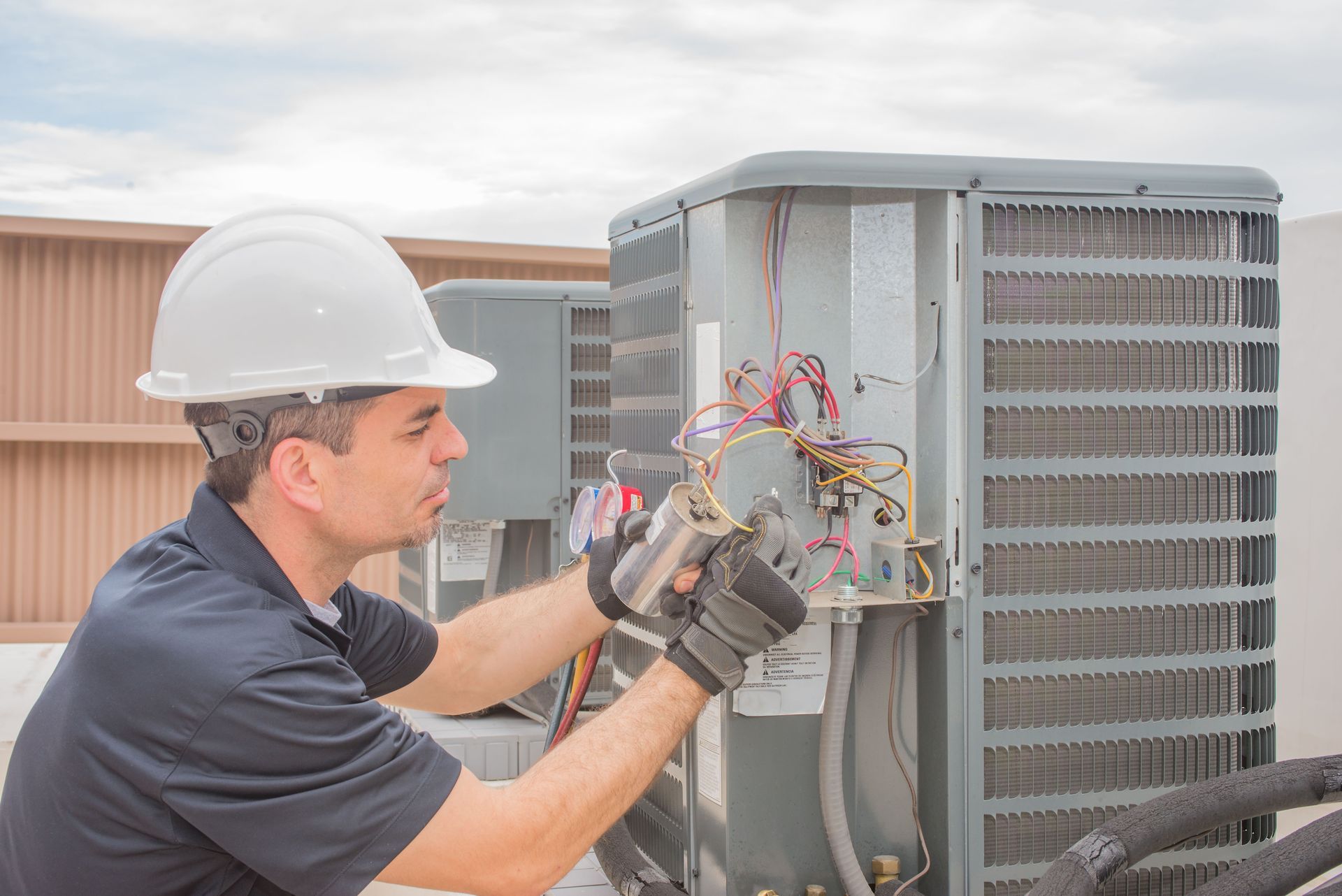
Preventative maintenance is particularly useful for commercial systems because HVAC equipment may operate for long periods and experience substantial wear. Maintenance visits can include tasks such as checking filters, inspecting condensate drains, examining electrical connections, measuring airflow, and evaluating system performance. These steps can provide valuable information about the condition of the equipment while giving technicians an opportunity to address relatively minor concerns.
Preventative care can also help businesses establish a more organized approach to facility maintenance. Rather than waiting until equipment stops working, owners can schedule inspections around their operating needs and address recommended repairs proactively. This approach may reduce the likelihood of unexpected interruptions and can make HVAC expenses easier to anticipate and incorporate into a maintenance budget.
Managing Long-Term Operating Costs
Unexpected repairs can place pressure on a business budget, particularly when a major component fails without warning. Routine maintenance does not eliminate the possibility of repairs, but it can help businesses stay aware of equipment conditions and address problems while they are more manageable. HVAC services that include ongoing maintenance can therefore become part of a broader strategy for managing facility expenses.
Businesses may also benefit from professional guidance when an existing system becomes inefficient, outdated, or difficult to repair. An HVAC professional can assess whether continued repairs, system replacement, or another approach makes sense based on the equipment and property. Planning these decisions in advance gives owners more time to consider their options instead of making rushed decisions during an unexpected failure.
Energy use is another consideration when evaluating long-term HVAC expenses. Equipment that is not operating properly may require more energy to provide the desired level of heating or cooling. Professional inspections can help identify conditions that may be affecting system performance, allowing business owners to determine whether maintenance, repairs, adjustments, or eventual replacement should be considered. A properly maintained system can also make it easier to monitor ongoing operating costs.
Getting Reliable Support When Problems Occur
Accessing Prompt Repair Assistance
HVAC problems do not always happen at convenient times. A cooling system may stop working during a busy business day, or a heating issue may arise outside normal operating hours. Having an established relationship with a provider that offers emergency HVAC services can give business owners a direct resource when urgent problems affect their properties.
Prompt service can be particularly important for businesses where temperature control is closely connected to daily operations. Restaurants, retail spaces, offices, and commercial facilities may have customers or employees onsite when equipment stops functioning. HVAC services that include repair and emergency response can help businesses address these situations without having to spend valuable time searching for an available contractor.
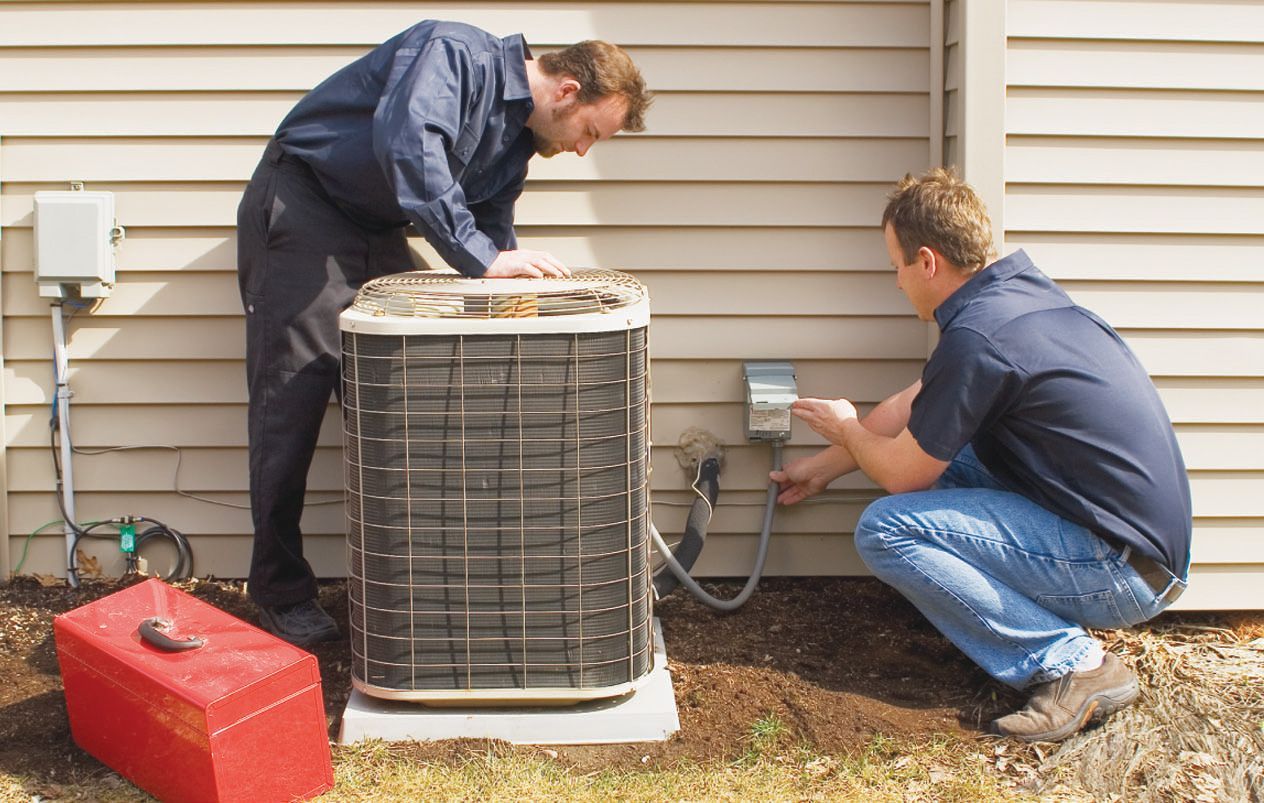
A reliable service provider can also help business owners understand what needs to happen after an HVAC failure occurs. Technicians can inspect the system, identify the source of the problem, and explain potential repair options. Clear communication can help owners make informed decisions about their property while minimizing unnecessary delays. Having a provider familiar with the building and its equipment can make this process more straightforward.
Planning for Installation and Replacement
Eventually, even well-maintained HVAC equipment may require replacement. When that time comes, business owners benefit from working with professionals who understand commercial heating and cooling requirements. A proper evaluation can account for the building's layout, equipment capacity, usage patterns, budget, and other factors that influence an installation.
Replacing commercial equipment is a significant decision, so planning ahead can help businesses avoid unnecessary disruptions. Owners can evaluate available equipment, determine appropriate capacity, review installation requirements, and consider how the replacement will fit within their operating schedule. Professional guidance can also help identify whether existing ductwork, airflow, filtration, or other components should be evaluated as part of the project.
Professional HVAC services can also extend beyond a single installation. A provider may be able to assist with central air systems, ductless equipment, filtration, maintenance agreements, repairs, and equipment replacements. Working with one qualified source for multiple needs can simplify HVAC management and give business owners a consistent point of contact for their property's heating and cooling requirements.
Reliable heating and cooling are important components of a functional commercial property. By establishing a relationship with qualified HVAC professionals, business owners can maintain indoor comfort, identify developing equipment problems, plan for future system needs, and respond more efficiently when unexpected failures occur. Contact Jorden's Air Conditioning & Heating for reliable service that will keep your business comfortable and operating smoothly.
Share On: