
Trane AC Repair vs. Replacement: When Fixing Your HVAC System Stops Making Sense
Deciding whether to fix an older cooling system or invest in a brand-new model is one of the most significant choices a homeowner faces. Air conditioning systems are essential for maintaining indoor comfort, especially during hot summer months when heat puts stress on mechanical equipment. When equipment shows signs of age or performance degradation, homeowners often find themselves caught between immediate fixes and long-term investment strategies. A simple component failure might seem easy to resolve, but recurring issues can quickly turn into a substantial financial burden. Understanding when a unit remains viable and when it has reached the end of its useful life is key to preserving both indoor comfort and household finances.
While high-performance cooling systems are built for durability, no equipment lasts forever. Knowing how to weigh the cost of ongoing fixes against the performance advantages of modern units helps homeowners avoid wasting money on declining machinery. Every situation requires a careful balance of financial analysis, operational efficiency, and peace of mind. By evaluating key performance indicators, recurring maintenance expenses, and modern energy standards, property owners can confidently choose the best path forward for their cooling needs.
Evaluate the Lifespan of Your Unit
High-quality cooling equipment is known for craftsmanship and operational longevity. Many well-maintained systems deliver reliable service over many years, providing consistent temperature control and indoor air quality. However, as an air conditioner approaches the later stages of its lifecycle, performance problems naturally begin to emerge. Homeowners may notice indicators such as reduced airflow, inconsistent room temperatures, or elevated energy bills. Promptly addressing minor issues through professional Trane AC repair can keep the unit running smoothly during its prime years, but age eventually limits the effectiveness of routine fixes.
Understanding common malfunctions in older equipment helps property owners determine when service calls are no longer cost-effective. Aging units frequently experience refrigerant leaks, electrical component failures, and severe compressor strain. Wear and tear over many seasons degrades overall system efficiency, forcing the motor to consume more power while delivering less cooling. Routine seasonal checkups play a crucial role in extending system life by catching minor defects before they escalate. Even so, when a unit grows significantly old, continuous investments in Trane AC repair simply delay an inevitable system replacement without offering lasting performance gains.
Analyze the Total Cost of Maintenance
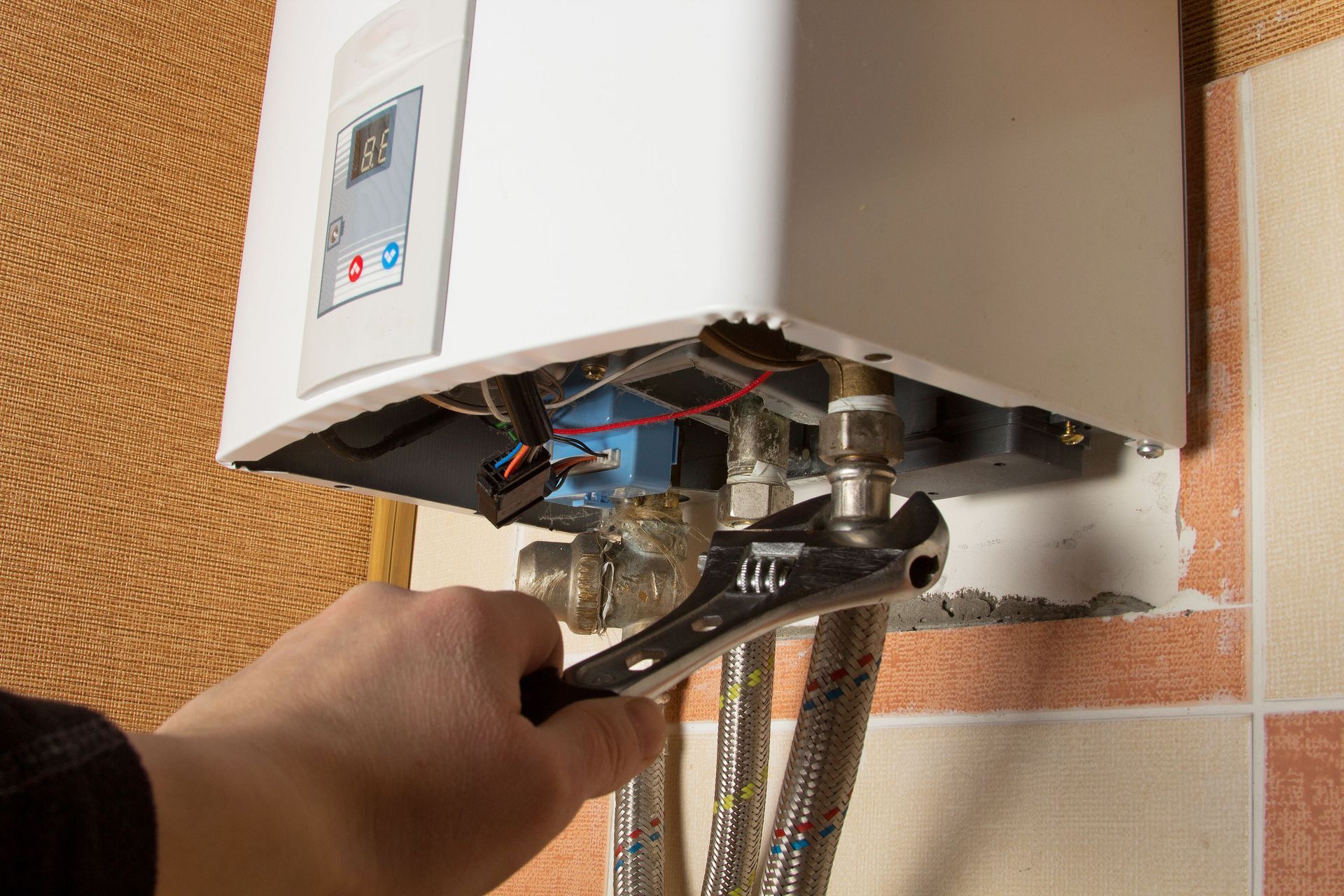
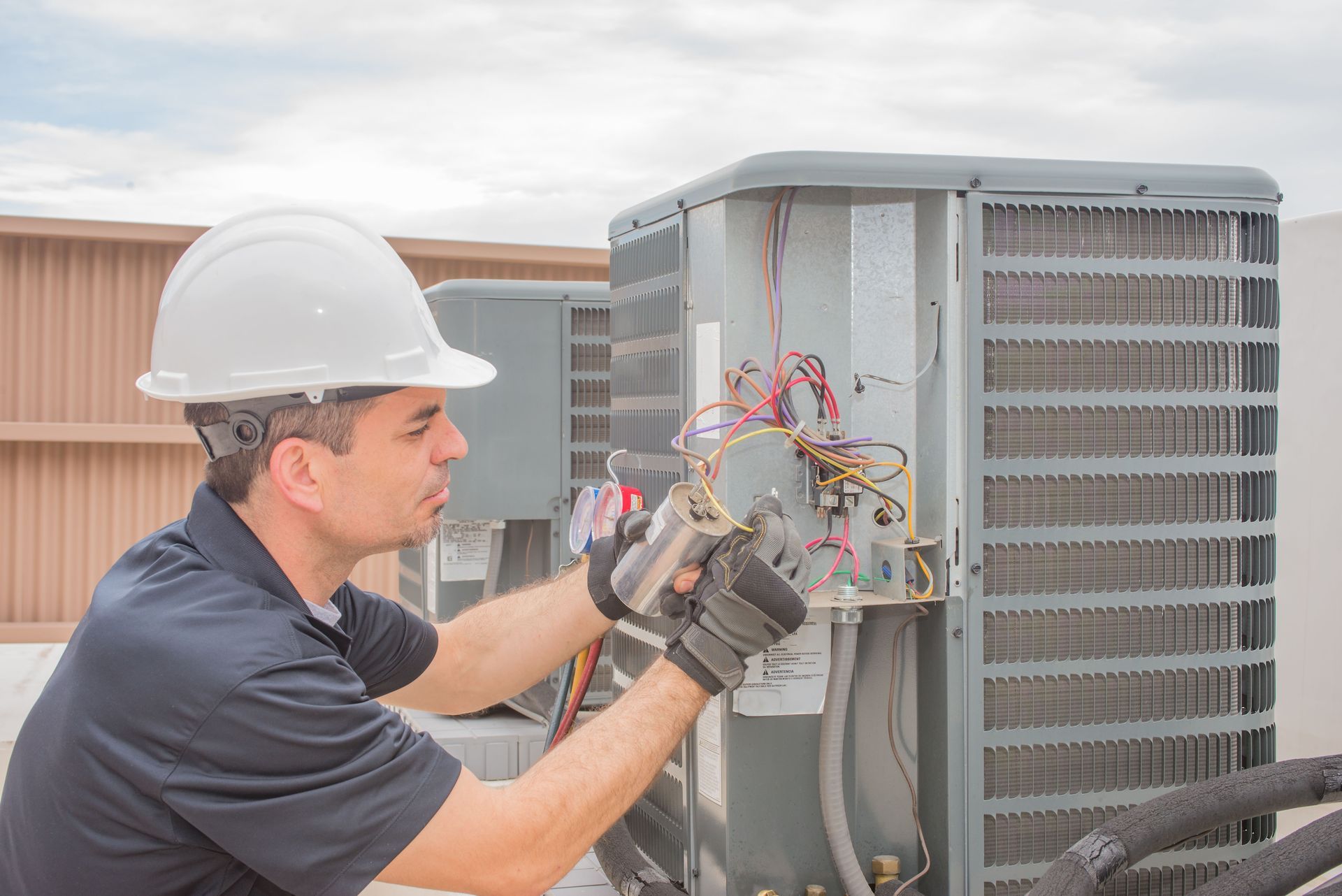
Evaluating the immediate cost of individual fixes is an important part of managing household maintenance expenses. Replacing a faulty capacitor, fixing a fan motor, or clearing a clogged drain line requires a modest outlay that restores basic operation. An occasional Trane AC repair service call is a normal part of maintaining home comfort over the life of an air conditioner. Nevertheless, when component failures become frequent, individual service bills accumulate rapidly into a substantial sum. Homeowners must examine whether spending money on repeated service visits preserves their system or merely drains resources that would be better applied toward new equipment.
Over time, the financial burden of constant service calls becomes difficult to justify. When cumulative service expenses approach a significant portion of a new system's price tag, continuing to fix an obsolete unit loses economic rationale. In addition to direct repair bills, recurring breakdowns cause inconvenient disruptions to household comfort during peak weather conditions. Relying on an unpredictable unit creates stress and unpredictable household expenses. Analyzing long-term maintenance costs reveals that replacing an unreliable system provides a more stable and predictable financial outcome.
Assess Energy Efficiency and Performance
Upgrading to a modern cooling system offers substantial energy efficiency improvements compared to older models. Modern air conditioners are engineered to meet strict efficiency guidelines, utilizing advanced variable-speed technology and environmentally safe refrigerants. These technical innovations allow new units to maintain precise indoor temperatures while using far less electrical power. Industry data highlights the massive market demand for commercial and residential cooling solutions; for example, according to Facilitiesdive.com, commercial cooling equipment represented over 90% of Trane's order backlog as of late 2025. Lower energy consumption translates directly into reduced monthly utility bills and a smaller environmental footprint.
Conversely, older units that have undergone repeated fixes rarely match the performance of modern equipment. Even after a successful Trane AC repair, an aging air conditioner often operates at reduced efficiency and struggles during extreme heatwaves. Internal components suffer gradual wear that diminishes cooling capacity, resulting in long run times and higher power bills. While a quick fix might restore cold air temporarily, it cannot upgrade underlying technology or restore original energy efficiency. Transitioning to a new system delivers consistent comfort, quieter operation, and lower operational costs.
Recognize Key Signs Indicating Replacement
Recognizing clear warning signs of a failing air conditioner enables homeowners to make proactive decisions before total system failure occurs. Frequent breakdowns are among the most obvious indicators that an air conditioner is reaching the end of its service life. When a system requires multiple service visits within a single season, underlying mechanical integrity is compromised. Experiencing repeated cooling interruptions indicates that minor fixes are no longer sufficient to maintain system stability. Investing in another Trane AC repair under these conditions often yields diminishing returns.
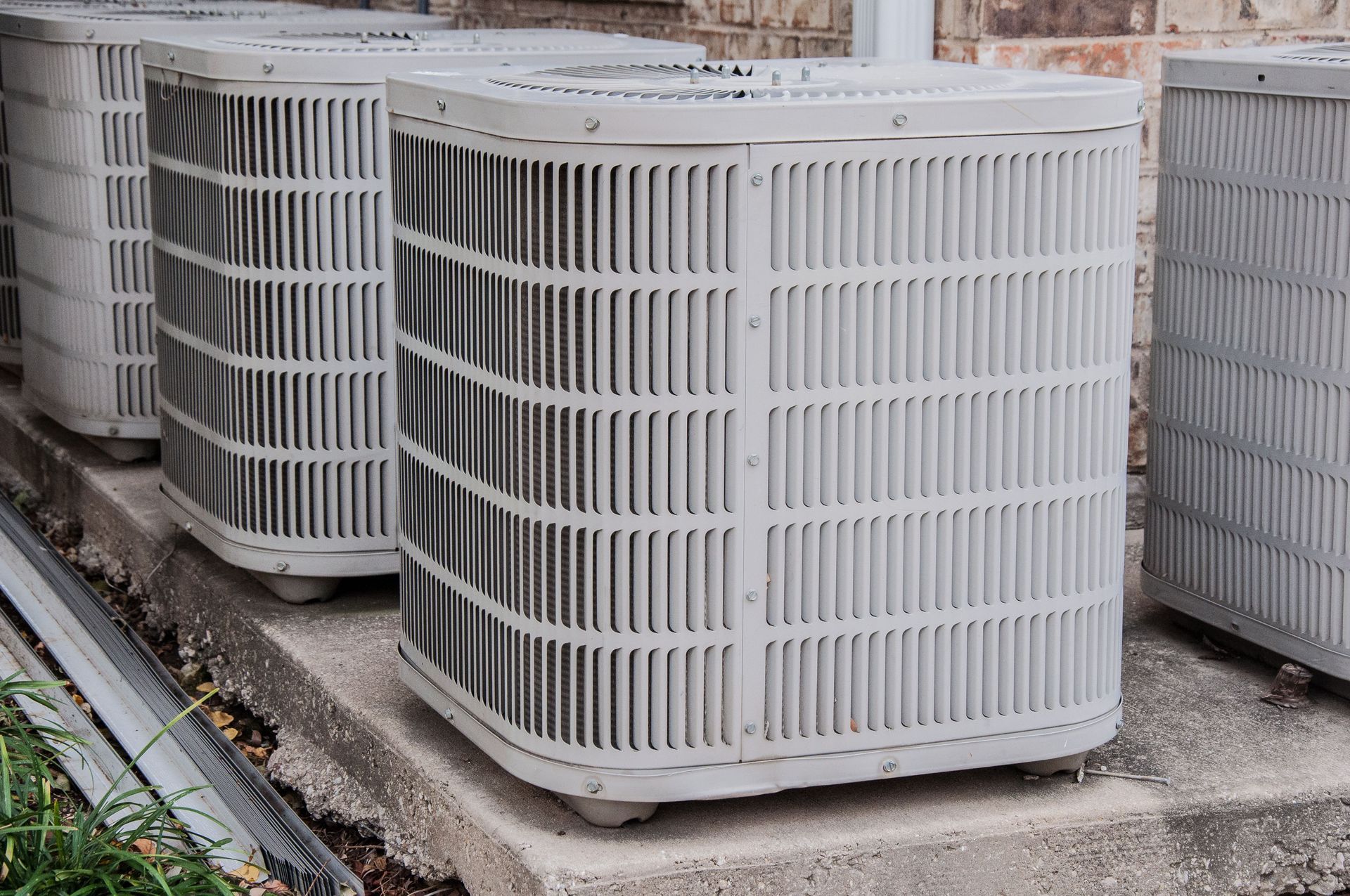
Other significant warning signs include unexplained surges in utility bills, persistent hot spots throughout the home, and unusually high indoor humidity. Unfamiliar noises such as grinding, squealing, or rattling from the outdoor condenser suggest serious internal wear in mechanical components like fans or compressors. Safety hazards such as recurring electrical tripping or severe refrigerant leaks demand immediate attention. Operating a compromised air conditioner poses potential safety risks and compromises home air quality. Identifying these signs early helps property owners replace aging units before facing an emergency shutdown.
Compare Long-Term Financial Impacts
Evaluating the financial aspect of replacing a cooling system requires looking beyond initial purchase and installation costs. While purchasing a new air conditioner involves an upfront financial commitment, it offers immediate benefits in energy savings, reliable performance, and manufacturer warranty protection. New equipment eliminates unexpected financial shocks associated with sudden component failures during summer heat waves. Lower monthly power bills offset a substantial portion of initial purchase costs, delivering a favorable return on investment.
In addition to direct financial savings, a new system delivers enhanced indoor comfort and superior air quality. Advanced air handling units manage indoor humidity levels effectively and maintain even temperatures in every room. Modern filtration systems capture airborne dust, pollen, and allergens, creating a healthier living environment for the family. In contrast, continuing to pay for Trane AC repair on an outdated unit leaves homeowners vulnerable to sudden breakdowns and inconsistent cooling. Choosing replacement ensures continuous indoor comfort and enhances long-term property value.
Select the Best Path Forward
Making the right choice between fixing and replacing your cooling system depends on system age, repair history, and energy performance. If your air conditioner is relatively young and experiences a rare minor issue, scheduling a professional Trane AC repair is usually the most practical choice. Minor component replacements and routine maintenance keep young systems operating dependably for years. However, when an older unit exhibits frequent failures and declining efficiency, spending money on repeated fixes becomes an inefficient strategy. Evaluating the overall condition of your equipment provides clarity on whether repair or replacement serves your best interests.
Taking a comprehensive view of your home cooling needs ensures long-term comfort and financial stability. Modern equipment provides exceptional energy efficiency, quiet operation, and reliable cooling that legacy systems cannot replicate. Balancing short-term costs against long-term benefits helps you make a confident decision that protects your home and budget. When you are ready to evaluate your options or need expert guidance on your system, contact us at Jorden's Air Conditioning & Heating so we can deliver the dependable comfort you deserve.
Share On: