
How to Choose the Right Air Conditioning System for Your Home
Your home's air conditioning system is critical for comfort and energy efficiency, especially in the warmer months. Selecting the right system involves understanding various types and their benefits, as well as considering factors specific to your home. In this guide, we'll explore the essential steps to choosing the optimal air conditioning system for your home. The right air conditioning setup can reduce energy costs, improve comfort levels, and contribute to the longevity of your home. Let's explore the features and considerations necessary to make an informed choice about air conditioning.
1. Understanding Different Types of Air Conditioning Systems
1.1 Central Air Conditioning Systems
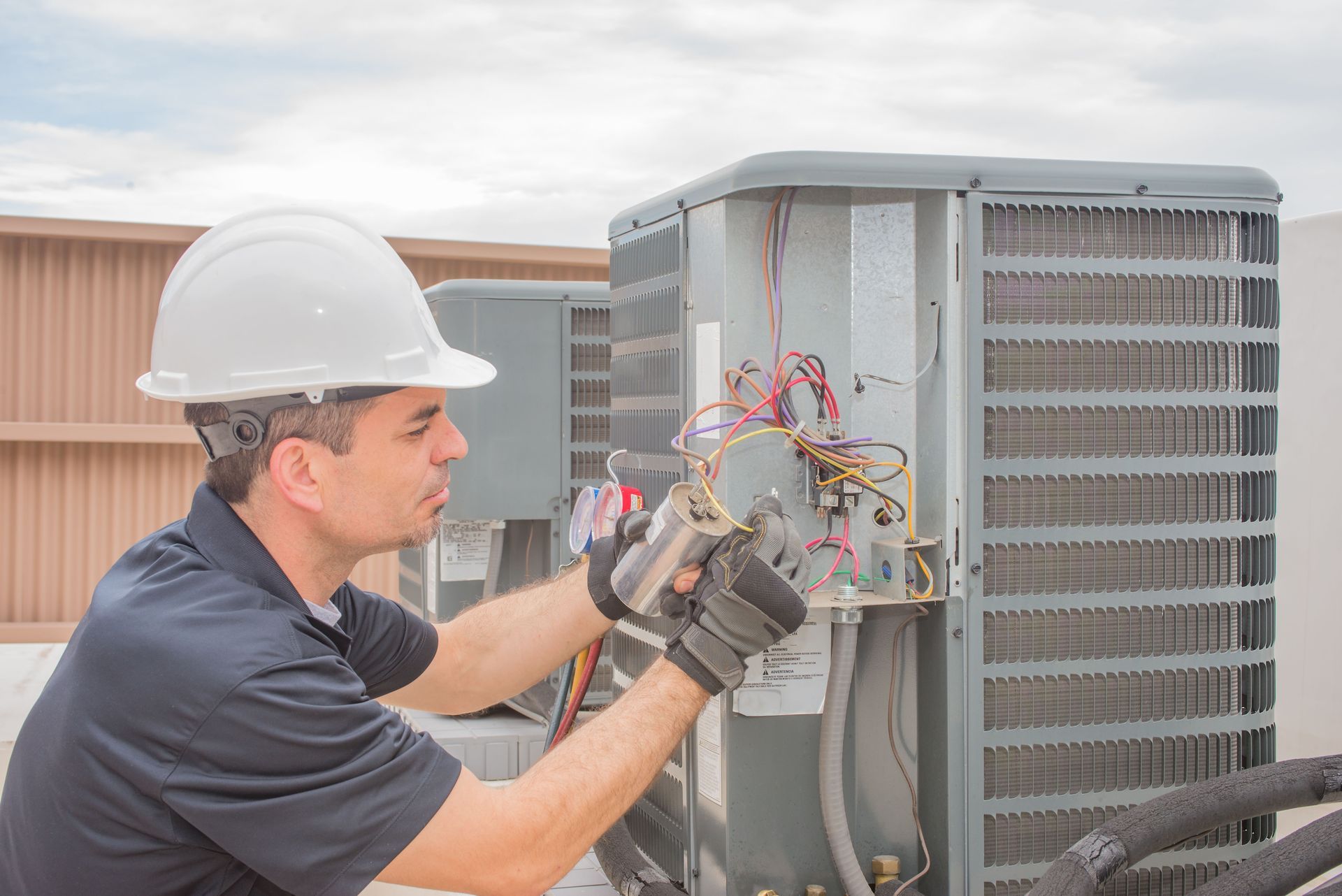
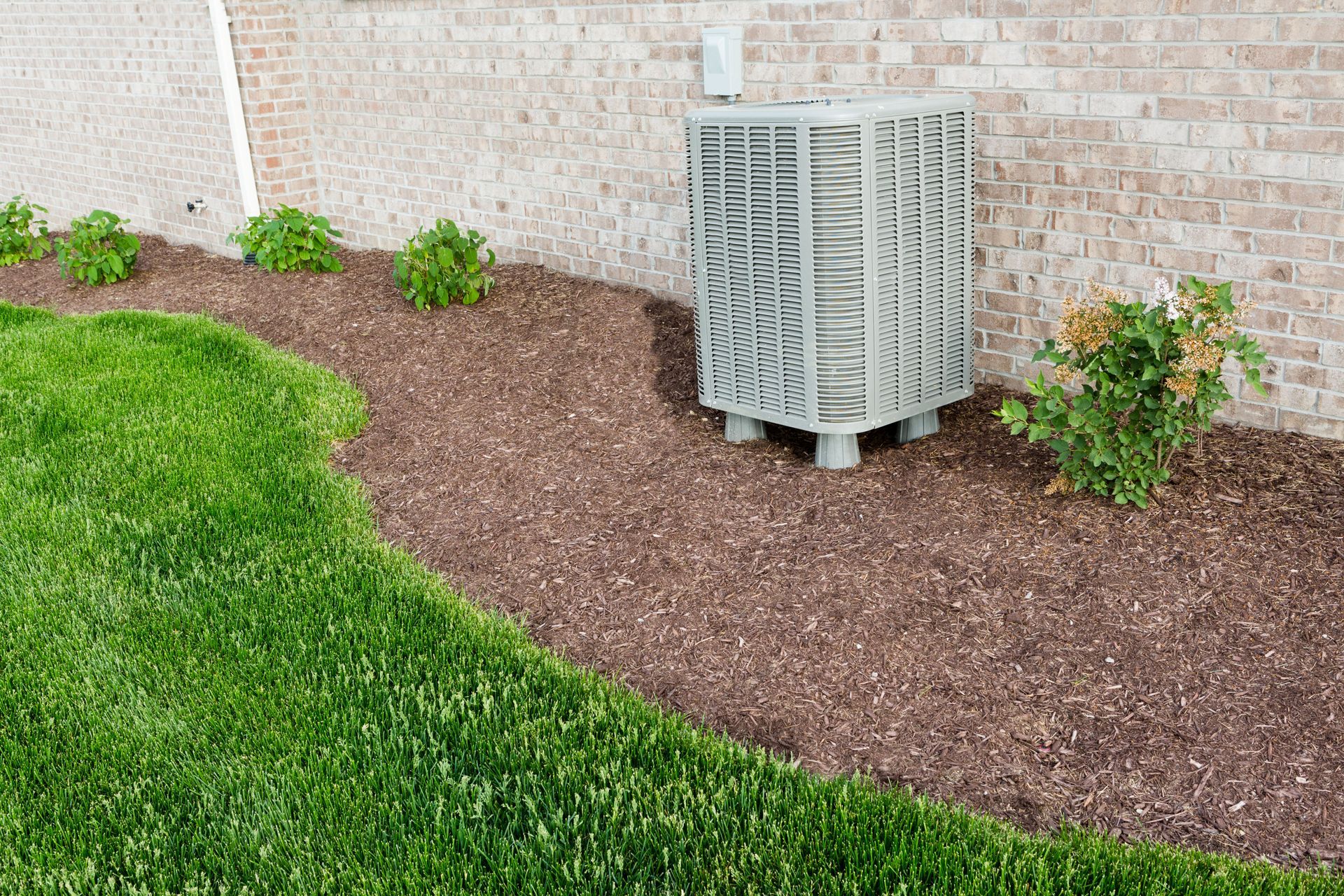
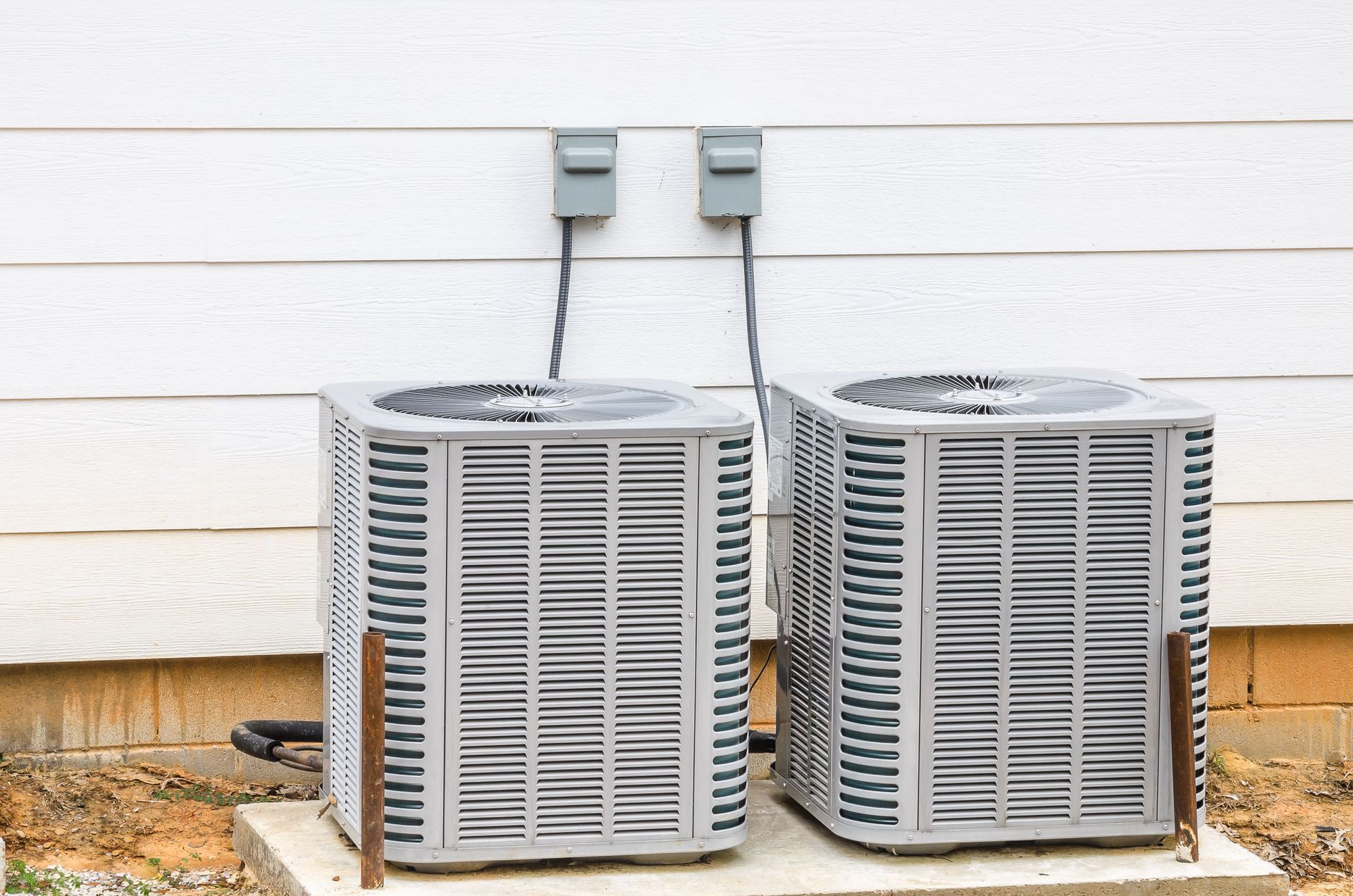
Central air conditioning systems are popular due to their ability to cool an entire house through a network of ducts. They are typically more effective for larger homes, providing uniform cooling throughout every room. The main components are an outdoor condenser and an indoor evaporator coil that work together to circulate cool air. While central systems are efficient, they do require ductwork that can increase installation costs. Regular maintenance is essential to keep these air conditioning systems efficient and to prevent issues like duct leaks that can reduce cooling capacity.
1.2 Ductless Mini-Split Systems
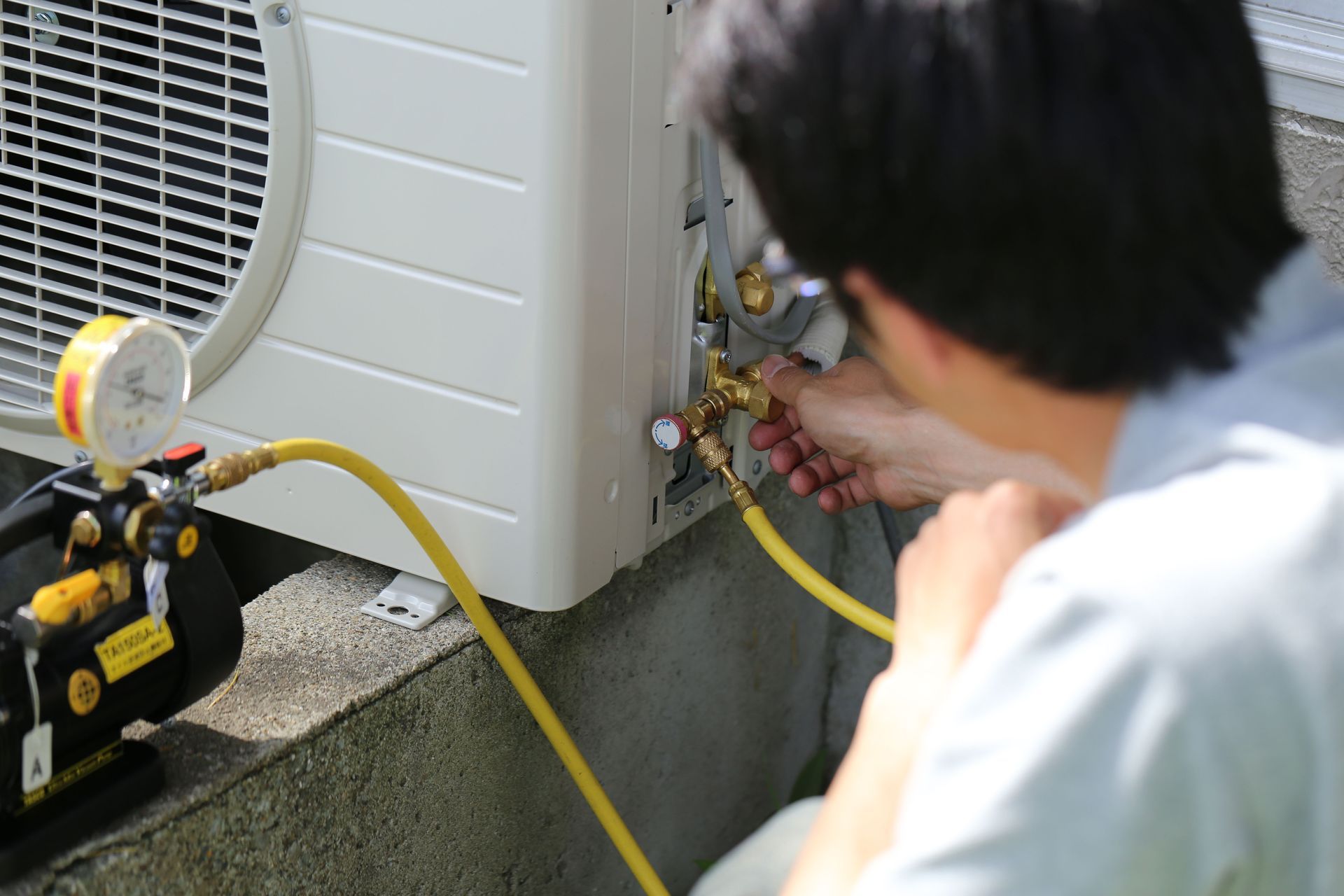
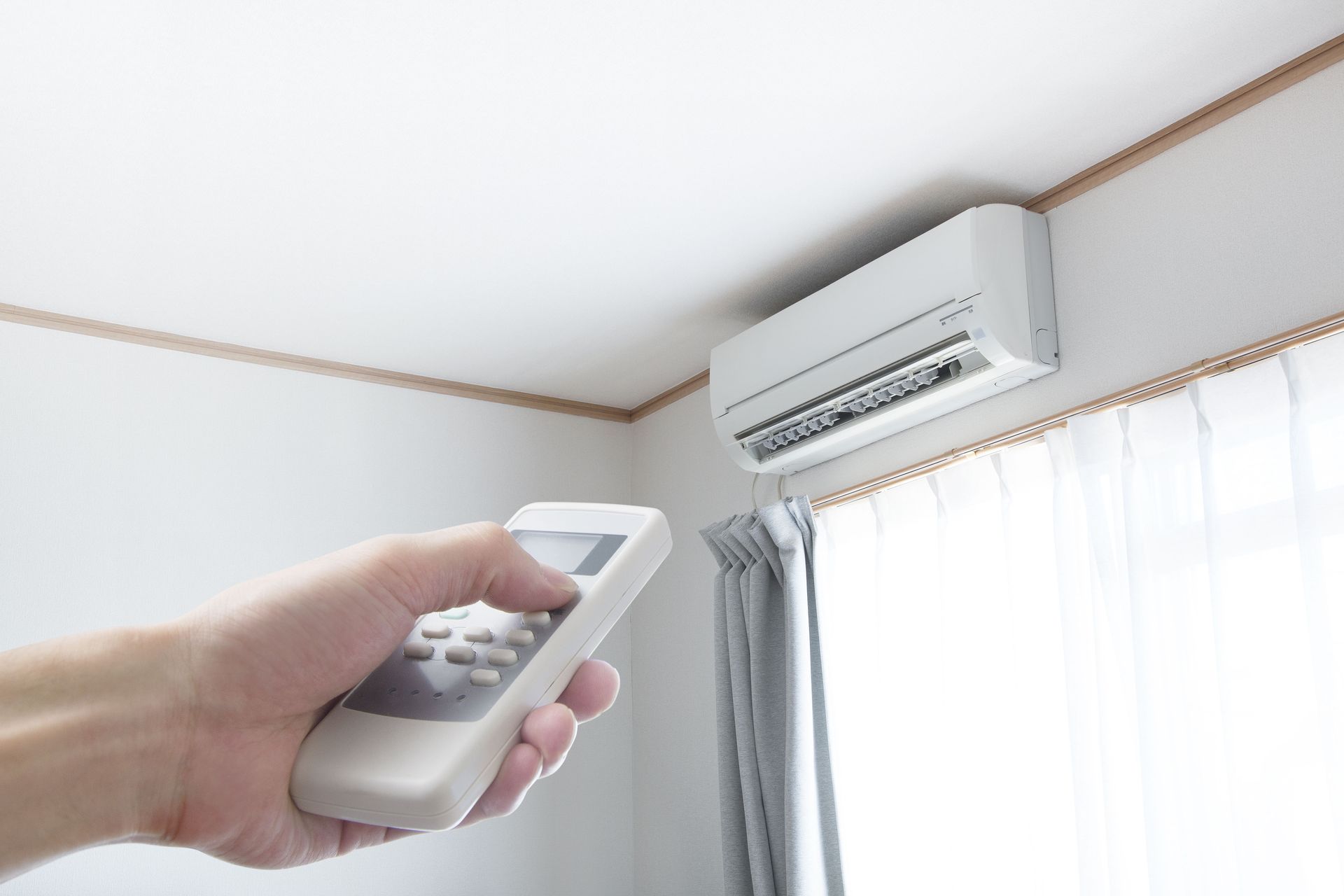
Ductless mini-split systems are a flexible air conditioning option for homes without ductwork. They consist of an outdoor compressor and one or more indoor units that can be mounted on walls. These systems allow for zoned cooling, catering to individual preferences in different rooms, and are usually more energy-efficient than central systems. Installation is generally simpler, making them ideal for retrofitting in older homes. Additionally, mini-splits operate quietly, enhancing comfort levels in living spaces.
2. Assessing Your Home's Cooling Needs
2.1 Calculating Cooling Load and BTUs
Calculating the cooling load of your home is crucial for selecting the appropriate air conditioning system size. The BTU (British Thermal Units) measurement indicates the amount of heat an air conditioner can remove from a room per hour. The general guideline is that an air conditioner requires about 20 BTUs per square foot of living space, according to the U.S. Department of Energy. Making sure the system is neither underpowered nor overpowered prevents energy waste and supports comfort. Conducting an energy audit or consulting with a professional can help in making an accurate calculation for air conditioning.
2.2 Considering Your Home’s Size and Layout
The size and layout of your home significantly influence your air conditioning system choice. Larger homes may benefit more from central air systems, while smaller or segmented spaces could utilize ductless mini-splits. Open floor plans allow for better air circulation, potentially reducing the need for multiple units. Additionally, the number of windows and their orientation can affect cooling efficiency. Careful assessment can help determine how air will flow throughout your home, optimizing air conditioning performance.
2.3 Evaluating Insulation Levels
Proper insulation is crucial in maintaining the effectiveness of your air conditioning system. Well-insulated homes retain cool air better, reducing the demand on your system and lowering energy costs. Checking the insulation in walls, roofs, and floors, as well as sealing any air leaks around windows and doors, can significantly improve efficiency. An insulated home not only keeps you comfortable but also extends the lifespan of your air conditioning system by minimizing wear and tear. Investing in quality insulation materials is a wise decision for long-term comfort and energy savings.
2.4 Accounting for Sunlight Exposure
Sunlight exposure impacts your home's cooling needs and should factor into your system selection. Homes with significant direct sunlight may require systems with higher BTU capabilities to offset increased temperatures. Window treatments like blinds and shades can help minimize heat gain, complementing your cooling system's efforts. South-facing rooms often receive more sunlight and may benefit from additional cooling power. Understanding your home's sun exposure will help you choose an air conditioning system that efficiently manages varying temperature zones.
2.5 Factoring in Use of Complementary Systems
Complementary systems can work alongside your air conditioning system to enhance overall efficiency and comfort. Ceiling fans, for instance, help circulate air, reducing the burden on your AC unit. Dehumidifiers can remove excess moisture, making lower temperatures feel more comfortable without increasing energy consumption. Programmable thermostats allow precise control over temperature settings, optimizing operation times to match usage patterns. Integrating such systems can enhance the performance and efficiency of your primary air conditioning equipment. Strategic use of complementary technology creates a balanced and economical cooling strategy.
3. Energy Efficiency and Environmental Impact
3.1 Understanding SEER Ratings
The Seasonal Energy Efficiency Ratio (SEER) rating measures the efficiency of an air conditioning unit. A higher SEER rating indicates better energy efficiency, leading to lower energy bills and reduced environmental impact. When purchasing a new system, look for models with ratings that meet or exceed the federal minimum SEER requirements. Investing in a high-SEER unit can offer long-term savings by decreasing operational costs. Keep in mind that initial costs may be higher, but the efficiency gains are worthwhile over the life of the product.
3.2 Exploring ENERGY STAR Certification
ENERGY STAR-certified air conditioners meet strict energy efficiency guidelines set by the U.S. Environmental Protection Agency. These systems are tested for performance and energy savings, supporting reliability and a reduced environmental footprint. Purchasing an ENERGY STAR system can also provide eligibility for federal and state rebates and incentives, reducing initial and long-term costs. Additionally, ENERGY STAR-certified systems help lower greenhouse gas emissions by consuming less energy. Opting for certified units is both a financially and environmentally responsible air conditioning decision.
3.3 The Role of Eco-Friendly Refrigerants
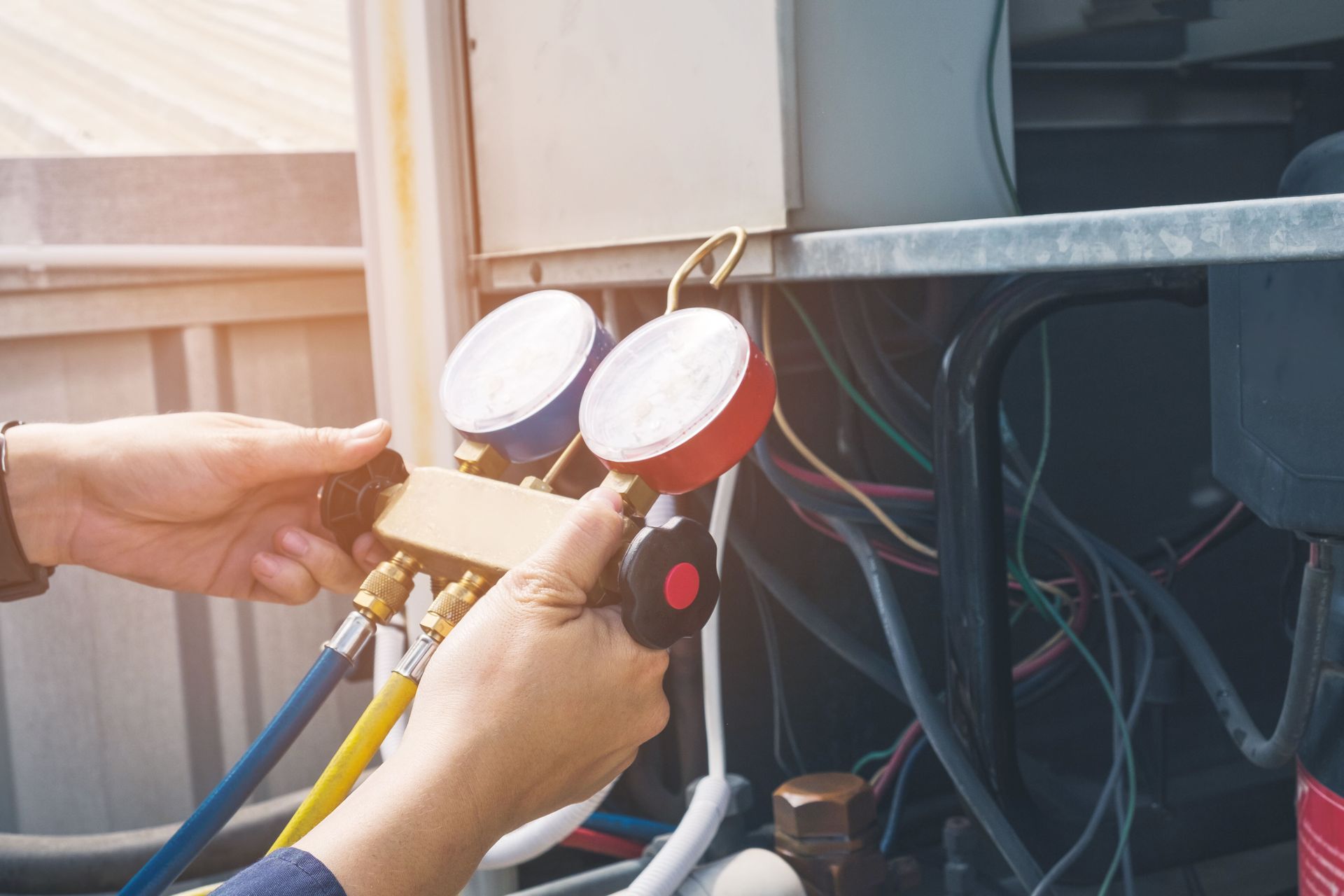
Refrigerants are substances used in air conditioners to absorb heat and produce cooling. Eco-friendly refrigerants like R-410A are preferable as they have a lower potential for ozone depletion compared to older refrigerants like R-22. Choosing a system with a modern refrigerant mitigates detrimental environmental impacts and supports compliance with regulatory standards. Additionally, systems using eco-friendly refrigerants are often more efficient, contributing to operational cost savings. Making sure your air conditioning system uses an environmentally considerate refrigerant is crucial for sustainable home cooling.
3.4 Long-term Cost Savings through Efficiency
Investing in an energy-efficient air conditioning system offers considerable cost savings over time. While upfront costs might be higher, the reduction in energy usage leads to significantly lower utility bills. Energy-efficient systems also qualify for various tax credits and financial incentives, further offsetting initial expenses. The longevity and reduced maintenance needs of such systems contribute to overall return on investment. Careful consideration of efficiency options can provide substantial financial and environmental benefits in the long run.
3.5 Incentives and Rebates for Efficient Systems
There are numerous government and utility programs designed to encourage energy-efficient home improvements. Rebates for high-efficiency air conditioning systems can cover a portion of the initial purchase cost, making them more accessible. Many programs also offer incentives for upgrading to ENERGY STAR-certified models. Checking with local authorities and utility companies can uncover potential savings opportunities. Utilizing these incentives not only reduces costs but also supports broader environmental goals by promoting reduced energy consumption.
Choosing the right air conditioning system involves careful consideration of both technical and personal factors, from the types of systems and energy efficiency to your budget and home-specific needs. An informed decision can lead to a comfortable living environment, energy savings, and a valuable long-term investment. Armed with the knowledge from this guide, you can make the best choice for your home and family. Understanding the latest advancements and available features supports satisfaction with your selection for years to come. Make your choice confidently, knowing your air conditioning plan aligns with current needs and future goals. Need a team to help you with your air conditioning? Contact Jorden's Air Conditioning & Heating.

Share On: